
Southern Meats Pty Ltd
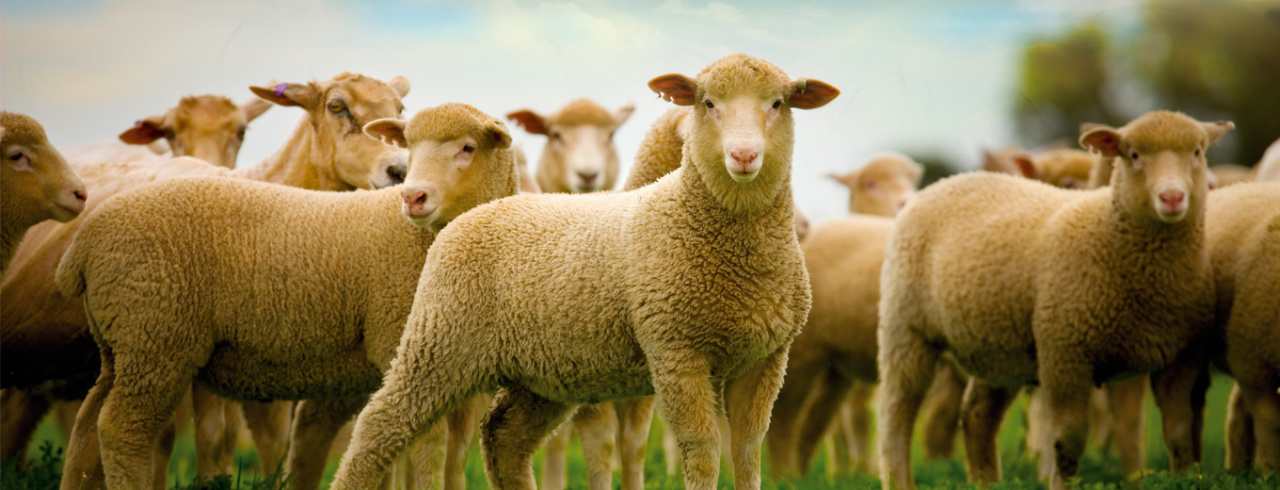
Southern Meats Pty Ltd have strategically located their hi-tech abattoir in Goulburn, NSW, the heart of Australia's finest sheep country. The region has a heritage steeped in the growth of Australia's famous golden fleece days. In the late 1860's, it was a bustling township serving as a commercial centre for a prosperous wool growing district. Goulburn is today just two hour's drive from Sydney's air and seaports. It remains an important rural cross-roads providing Southern Meats with prime export product from the surrounding sheep growing areas. Its proximity to Sydney ensures the company's Fine Brand range of processed lamb, sheep and offal are easily accessible to worldwide markets.
The Southern Meats Company has joined with another Australian owned sheepmeat processor, the Western Australian Meat Marketing Co-operative Limited (WAMMCO). Both companies share enviable reputations and brands in domestic and export markets. By working together closely, the two companies can supply high volumes of premium quality product throughout the year.
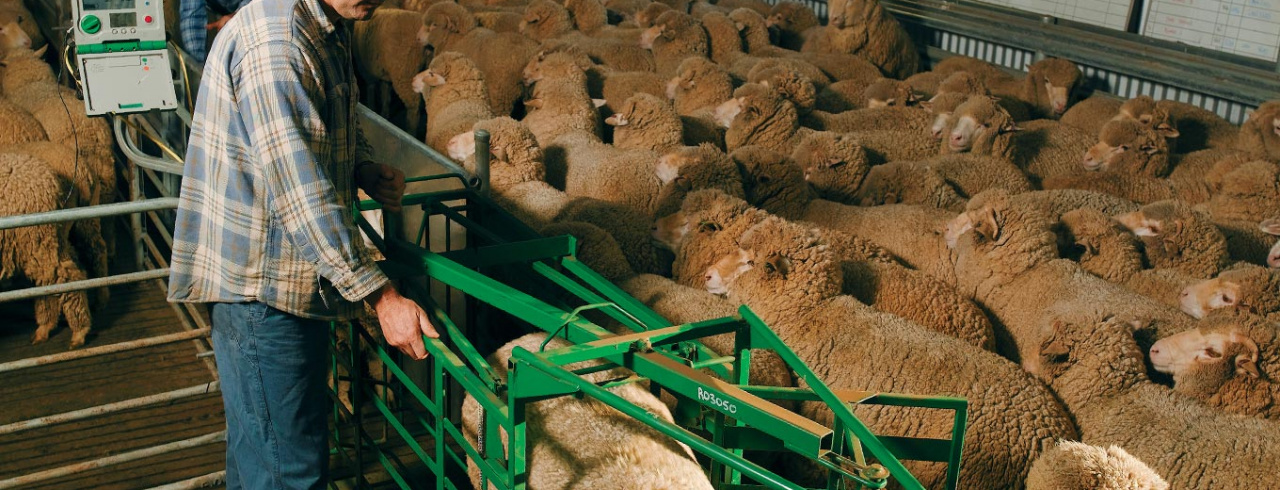
Packed under the well-known Fine Brand label, Southern Meats' discerning customers are assured that our product is of the highest quality. Not only is the meat grown in the clean, healthy environment of Australia's beautiful Southern Highlands region but it is processed in a state-of-the-art operation that meets with the stringent standards of the E.C. and USDA. The plant processes sheep and lambs utilising the latest hi-tech automated equipment-slaughtering, boning, chilling, freezing and rendering by-products. All stock are slaughtered to Halal practices with strict hygiene and quality control applying to all aspects of the production line.
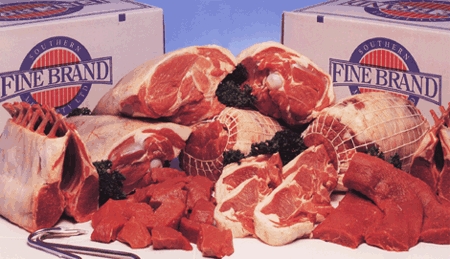
Southern Meats prides itself on the plant's flexibility to provide you with a wide range of primal cuts and retail ready packs. Meat is packed, wrapped and labelled to your requirements. We export to customers in the Middle East, South-East Asia, Korea, Japan, UK, Europe, Canada, USA, Africa, Mauritius and the Pacific Basin with a full range of chilled and frozen bone in and boneless mutton and lamb cuts, as well as assorted offals.
As one of Australia's leading sheep meat exporters, Southern Meats dedication to quality in all aspects of production assures you buy only Australia's best when you buy Fine Brand sheep and lamb meats.
Managing odour impacts during autumn
“Recently Southern Meats received a general autumn odour management alert from the NSW EPA.
We consider this reminder to all EPA Licensee’s to be a good opportunity to update our Goulburn community with the work Southern Meats has undertaken since the lagoon odour event in the autumn of 2025 that impacted some people in the vicinity of our processing plant.
To address last years odour event, we have undertaken a series of actions to reduce the possibility of odour being repeated.
- More intensive monitoring of the Covered Anaerobic Lagoon (CAL) indicators of health
- Monitoring of extra CAL parameters
- Establishment of a mini lab on site to monitor and determine dose rates to maintain optimal chemistry in the CAL
- Installation of a weather station to assist identify source from impacted receptors
- Development of a documented Odour Management Plan including detailed elements relating to CAL, rendering and biofilter management
- Installation of additional aeration capacity in the aerobic pond to ensure oxygen levels are maintained in a range that mitigates odour
- External review of the odour incident to identify the cause and develop a program to mitigate against the possibility of the event happening again.
- Senior management are now living on site and regularly walk the plant perimeter to monitor odour
- Establishment of a concreted concrete pad for improved solids handling and management
- Established a website protocol to advise community of potential odorous activity such as loading and shipping solids
- Established a website portal for lodgement of complaints or general feedback to management
- Construction of a new state of the art rendering plant for maximum nutrient recovery and next generation biofilter for odour capture
- Ongoing close communication with the EPA in respect of environmental matters on the Southern Meats site
Undertaking these actions cannot guarantee there will never be another event like autumn 2025, however we believe these elements will reduce the likelihood of it happening again.
We appreciate the forebearance of our community in 2025 and look forward to ongoing support in the year ahead.”
Regards,
Craig Newton
EPA Alert
Dear Licensee,
As we move into autumn, the NSW Environment Protection Authority (EPA) typically receives a higher number of complaints from the community about odours from a range of industries, with autumn weather conditions exacerbating the problem.
It is important to be diligent to minimise impacts on your neighbours. We have outlined below some of the things you can do to reduce risk of odours being generated from your activities.
The below activities are commonly associated with odour complaints:
- Agricultural processing (sheds & ponds)
- Composting
- Livestock intensive activities (sheds & ponds)
- Livestock processing activities (sheds & ponds)
- Resource recovery
- Waste activities
- Waste disposal (application to land)
- Waste processing (non-thermal treatment)
- Waste storage
A good way to check your risk is to conduct an assessment of your site and look for opportunities to pro-actively manage any potential odour-generating processes. The following mitigation measures may be relevant to your operations:
Reduce leachate, effluent or wastewater stored onsite.
Plan contingency measures for increased surface water and wastewater, such as additional storage capacity or arrangements for offsite transport to an appropriate facility.
For landfills check and maintain gas collection systems to ensure they are operating effectively. Also review the use of cover material – assess whether your cover material is effective for odour control, whether you have sufficient quantities for the active tip face, and whether reducing the size of the active tip face may be necessary.
For livestock activities, ensure effluent ponds remain well oxygenated and sludge is removed on a regular schedule to minimise odour generation.
Check your general site housekeeping, such as the type and quantity of stock onsite and the condition of pads or hardstands. Plan regular odour surveys at your site and in the surrounding areas and respond promptly if issues are identified.
Monitor weather conditions alongside your operational controls, and adjust activities as conditions change – for example, pause odour generating activities when winds are likely to impact the community.
You should also consider ways you can communicate with your local community and neighbours and actively manage odour complaints that come in from the community.
Our officers are doing increased odour inspections over the coming months.
We would also like to take this opportunity to remind you that under s129 of the Protection of the Environment Operations Act 1997, it is an offence for the occupier of any premises who carries out scheduled activities under an Environment Protection Licence to cause or permit the emission of any offensive odour from the premises to which the licence applies.
If you would like to discuss particular measures or issues at your site, you can contact us through the Environment Line on info@epa.nsw.gov.au.
NSW Environment Protection Authority